New Commission Webpage
Large Whales and Vessel Strikes
May 6, 2024
Learn more about why whales are at risk and what can be done to help them.
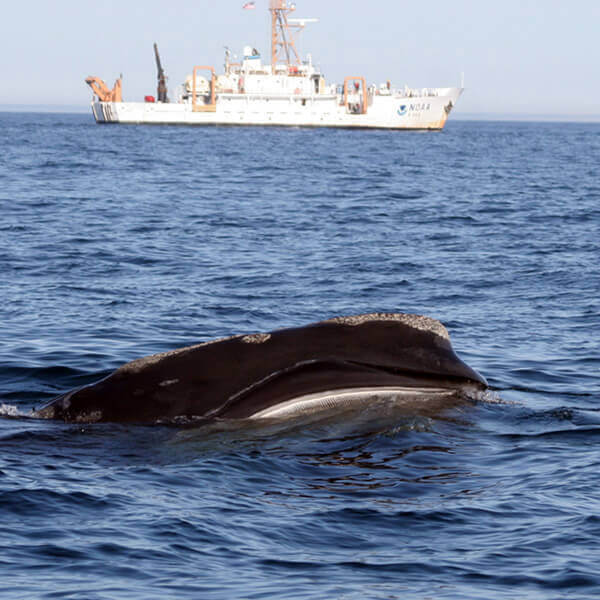
Learn more about why whales are at risk and what can be done to help them.
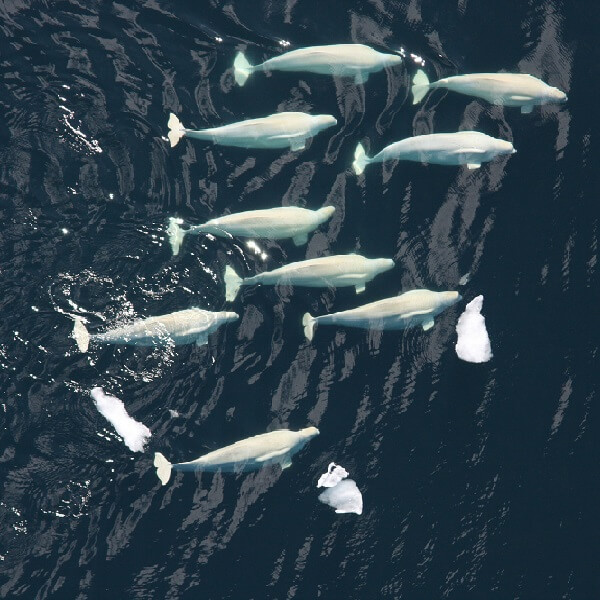
The 2023 Annual Report highlights a few of our top accomplishments for 2023. Read the report
The new workshop report will serve as a resource to guide health monitoring and surveillance and better detect impacts of climate change.
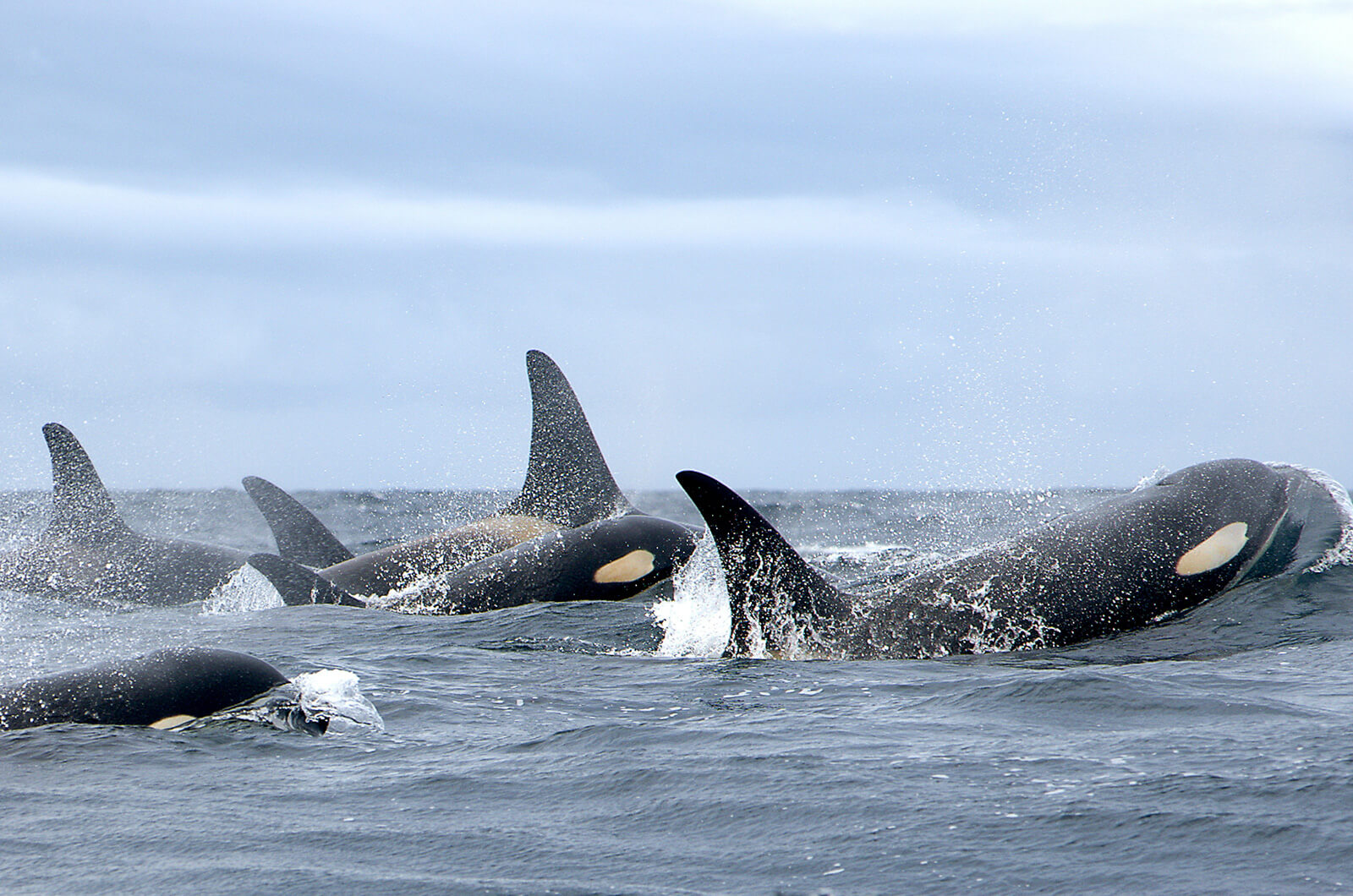
Those wishing to submit a proposal must email rpo@mmc.gov no later than Wednesday, January 31, 2024! Learn more here.
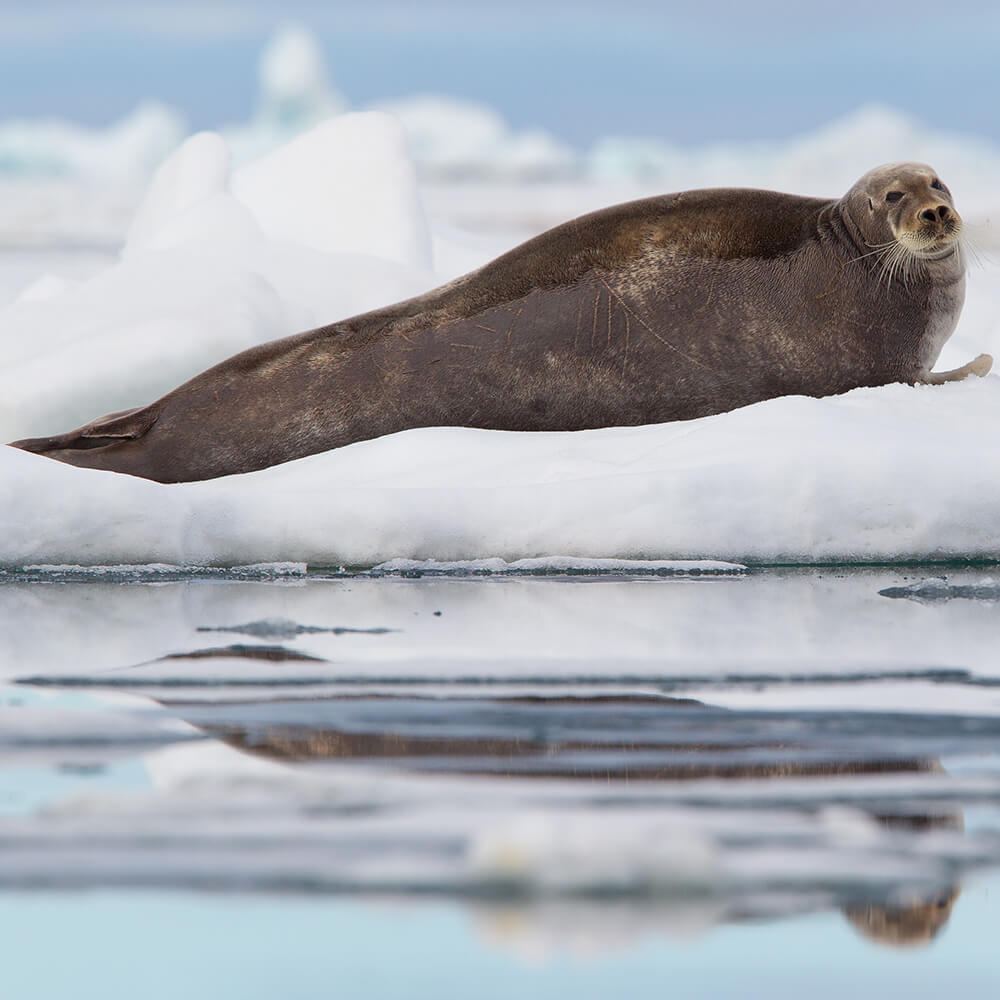
The updated policy aligns with the National Science and Technology Council’s Framework on Federal Scientific Integrity Policy and Practice, and in consideration of public comments received during the Federal Scientific Integrity 2023 listening sessions.
The Annual Meeting of the Commission was on November 14-15, 2023 in Washington, D.C. View the event webpage for meeting materials!
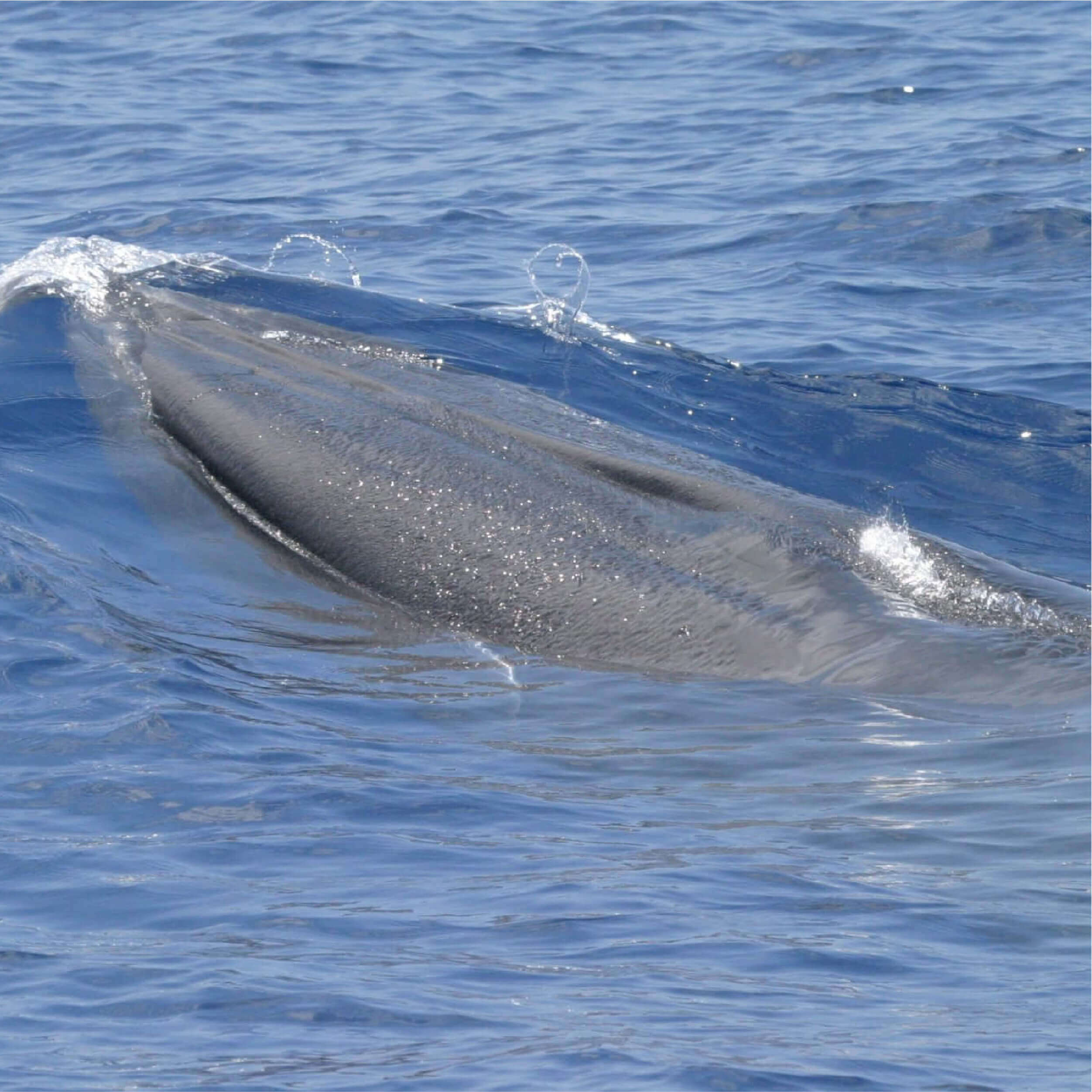
Join us in celebrating Rice’s whales, large whale conservation efforts, and the 50 Years of the Endangered Species Act! Learn more and view the agenda on the event webpage.

The Commission is very sad to learn of the passing of Dr. Michael Tillman, who served as Marine Mammal Commissioner from 2010-2022. Tributes to Mike’s life have been shared by colleagues at the International Whaling Commission and the journal of Marine Mammal Science.
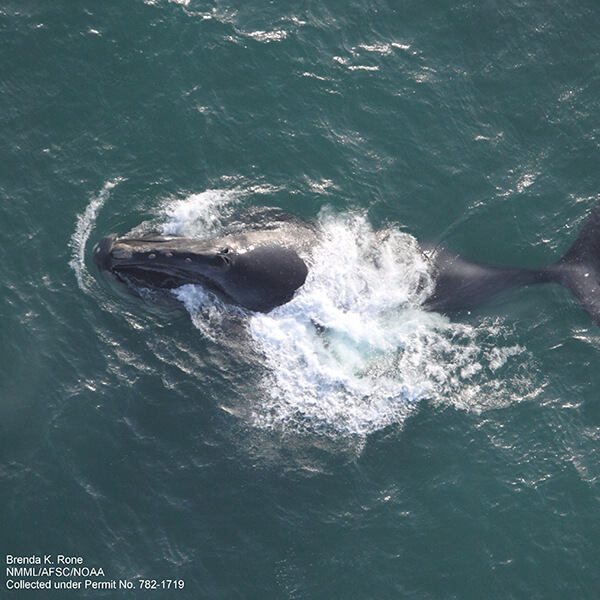
The Commission is pleased to announce seven projects were selected for funding in FY2023! Congratulations to all awardees!
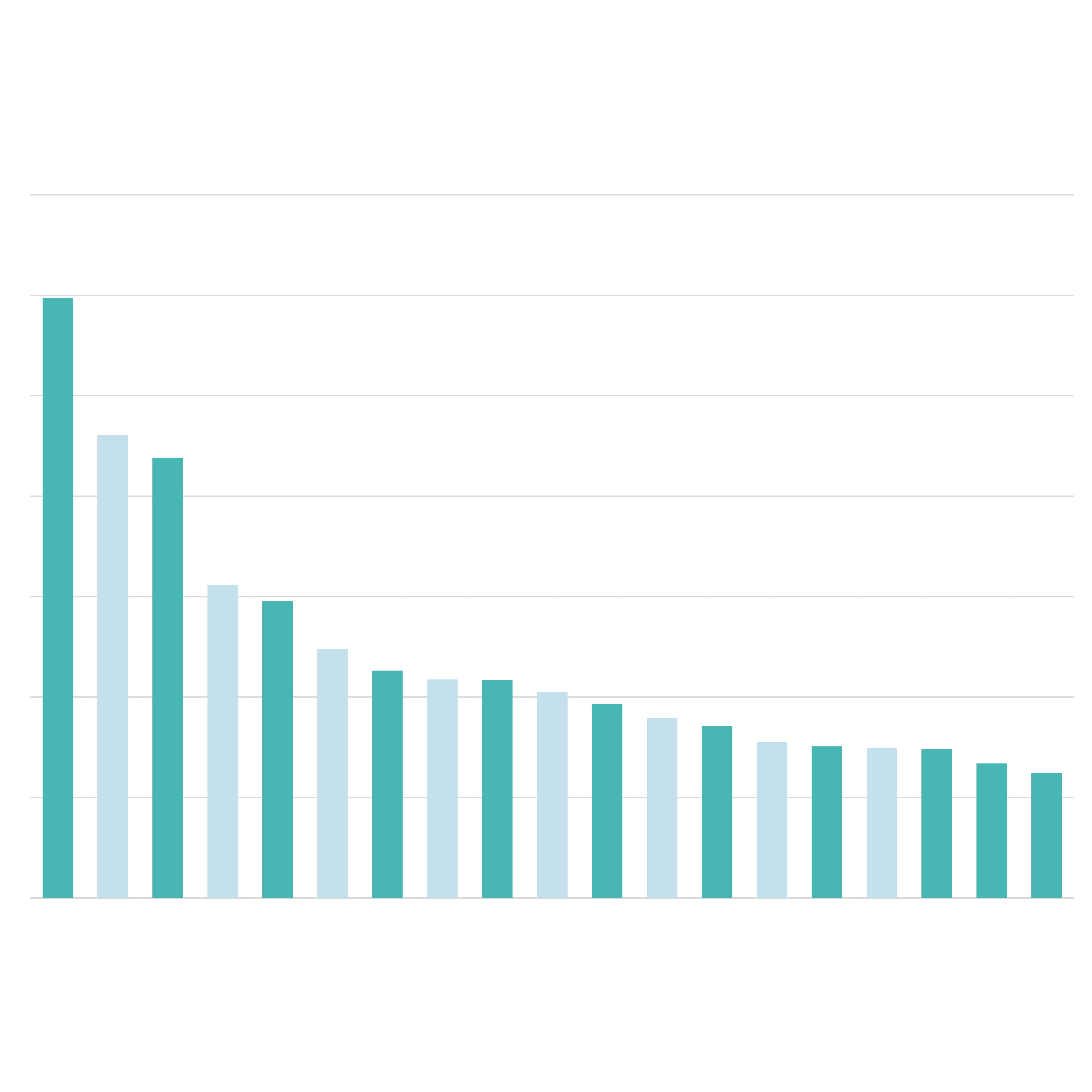
View a summary of the results from the 425+ reported projects here.
We are pleased to welcome Dr. Sue E. Moore and Dr. Andy J. Read as Commissioners of the Marine Mammal Commission. Learn more and Meet the Commission.

We are very pleased to announce that President Biden designated Dr. Frances Gulland as the Chair of the Marine Mammal Commission on May 4, 2022. Learn more on the Meet the Commission webpage.
To provide independent, science-based oversight of domestic and international policies and actions of federal agencies addressing human impacts on marine mammals and their ecosystems.
Tweets by @MarineMammalCom